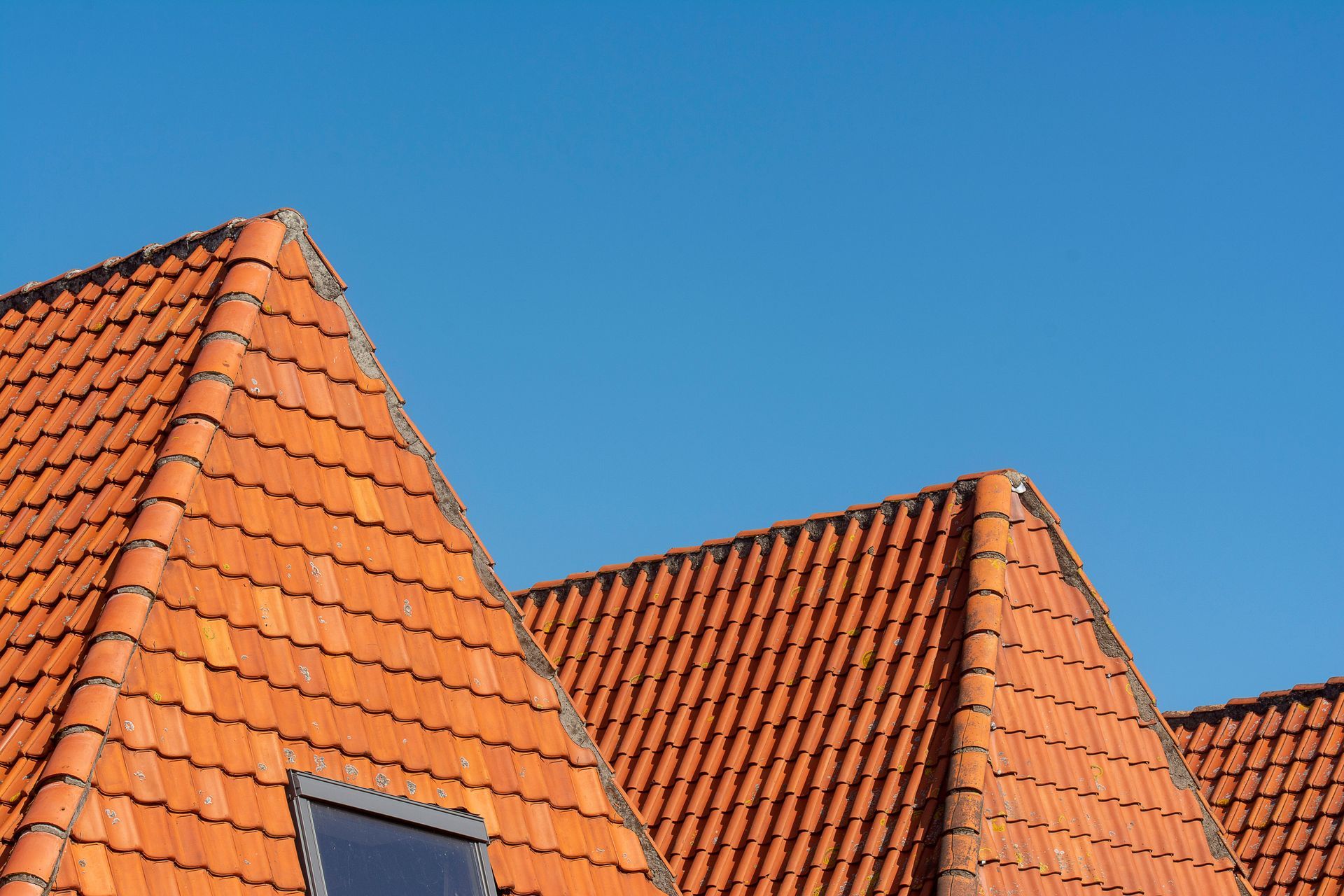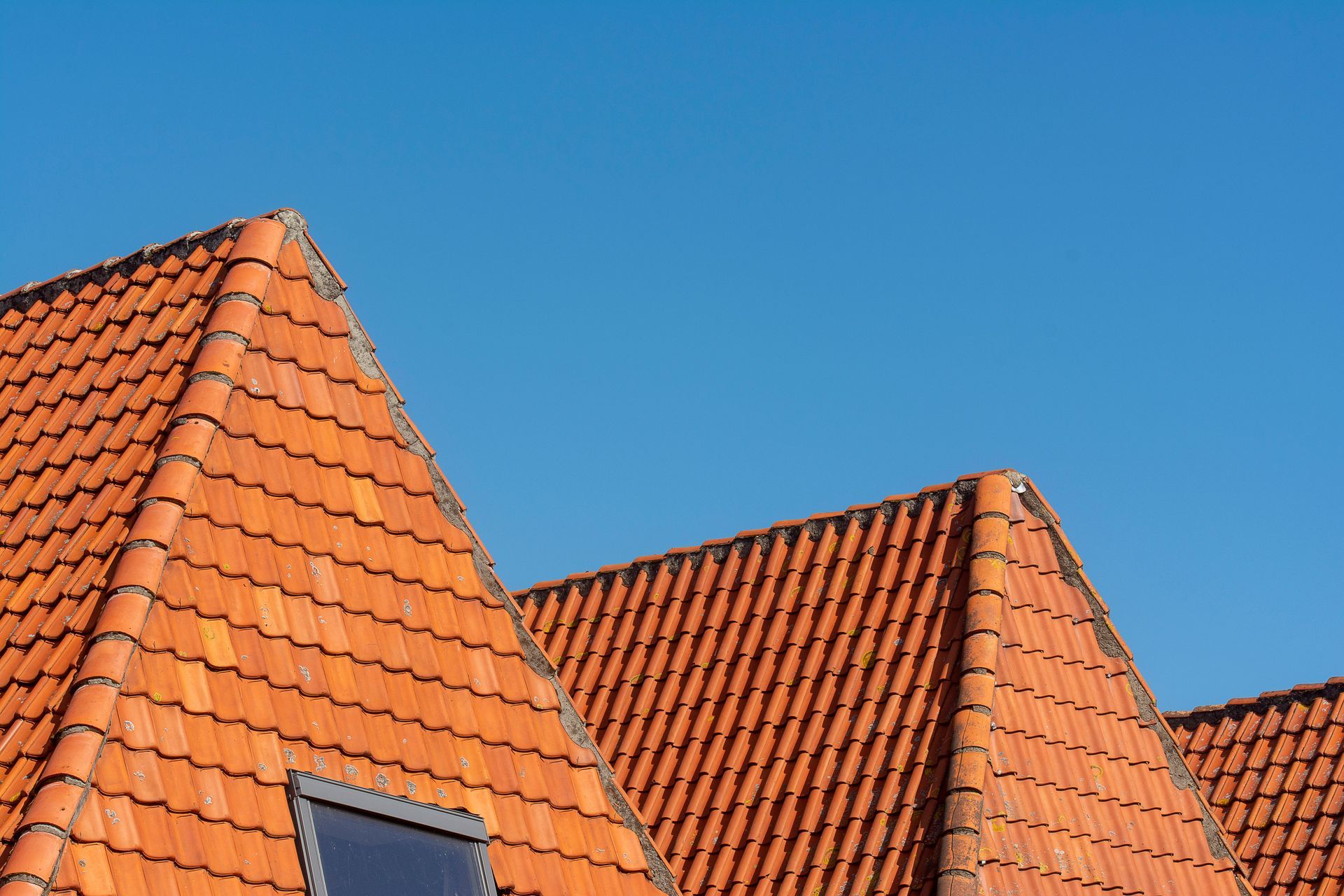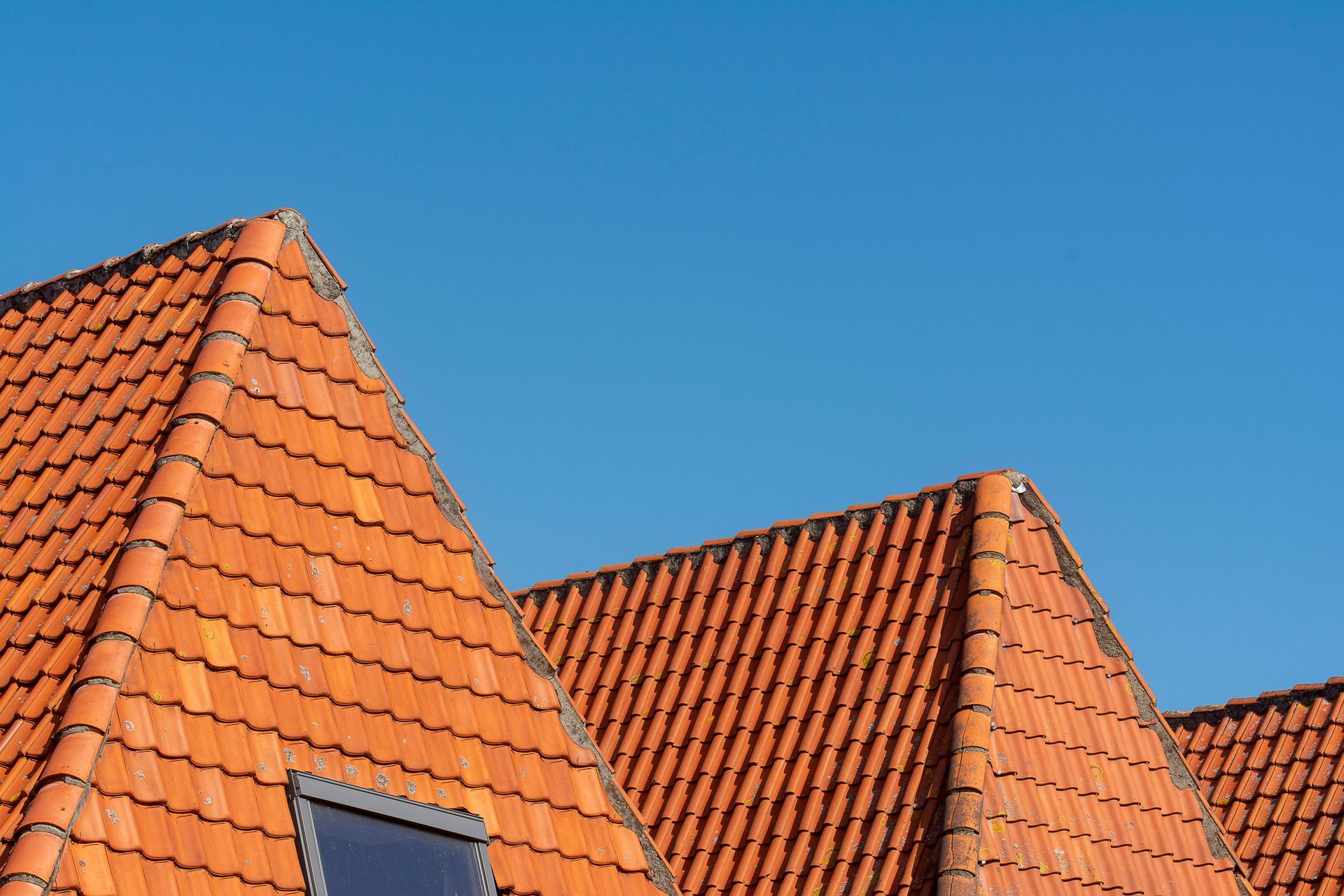
Why Yeovil Roofs Are So Prone to Moss and Algae
If moss seems to return to your Yeovil roof no matter how often you deal with it, there is a good reason. This corner of South Somerset, tucked into the valley of the River Yeo among rolling, well-watered countryside, offers moss, algae and lichen close to everything they need to thrive. The mild, damp conditions that keep the surrounding fields so green work the same magic on local roofs, and for many Yeovil homeowners a creeping green covering across the tiles is a familiar and frustrating sight.
Understanding why moss takes hold so readily here is the first step to keeping it under control. In this guide we look at what makes Yeovil roofs such welcoming ground for moss, the harm it can quietly do, and the safest, most effective way to remove it and slow its return.
The quick answer: moss thrives on Yeovil roofs because the town sits low and damp in the valley of the River Yeo, surrounded by hills and green countryside, where the mild West Country climate keeps roofs moist for much of the year. The best way to deal with it is a professional low-pressure soft wash, which removes the growth and treats the surface so it stays clearer for longer, without the tile damage a pressure washer can cause.
1. Yeovil's damp, low-lying setting
Yeovil sits in the valley of the River Yeo, in a low, sheltered position surrounded by the hills and rolling farmland of South Somerset. That valley setting tends to hold moisture, and the mild West Country climate means roofs rarely dry out fully for long stretches, particularly through the long, wet autumn and winter. Moss needs dampness above almost anything else, and the local conditions supply it in abundance.
The river and the well-watered countryside all around add to the humidity in the air, keeping roofs from ever drying out completely. The same fertile, moist conditions that make South Somerset such productive farming country make local roofs ideal ground for moss and algae. It is simply a consequence of where the town sits, not a sign that anything is wrong with your roof.
Because the climate is the underlying cause, moss will always want to come back. That does not mean you are fighting a losing battle, but it does mean the right approach is one that removes the growth and slows its return, rather than a quick scrape that leaves the roof clear for only a few months.
2. Shaded and north-facing slopes
No roof grows moss evenly. The north-facing slopes, which get the least direct sun, stay damp the longest and are almost always the worst affected. Look around Yeovil and you will often see one slope of a roof thick with green while the sunnier side stays relatively clear. Shade from nearby trees, tall buildings and the mature planting common in the town's older streets makes the problem worse still.
Anywhere water lingers, moss follows. The valleys between roof sections, the areas below overhanging branches and the lower courses of tiles just above the gutter all tend to hold moisture and collect the debris moss roots into. These are the spots to watch, and the areas a professional clean pays particular attention to.
3. The damage moss quietly causes
Moss is far more than a cosmetic problem. A thick layer holds water against the tiles like a sponge, keeping the surface permanently wet. In winter that trapped water freezes and expands, and the repeated freeze-thaw cycle gradually breaks down the surface of the tile, shortening its life. Over time this can turn a sound roof into one that needs far more expensive attention.
The growth also blocks the natural flow of water off the roof. Clumps of moss break away and wash down into the gutters, where they build up and cause blockages, leading to overflowing gutters, damp walls and water pooling around the foundations. What starts as a green tinge on the tiles can end up affecting the whole building if it is left unchecked for years.
Catching and clearing moss before it becomes established is far cheaper and easier than dealing with the consequences of leaving it. Regular, gentle maintenance keeps small problems small.
4. Why pressure washing is the wrong answer
It is tempting to think the quickest way to remove a thick layer of moss is to blast it off with a high-pressure jet. In practice this often does more harm than good. The force of a pressure washer can crack or dislodge tiles, strip the protective surface from older ones, and drive water up underneath the tiles and into the roof space, causing the very leaks you are trying to avoid.
High pressure also does nothing to discourage regrowth. It removes the visible moss but leaves the spores behind, so the growth returns quickly, and you are left with a roof that is both freshly damaged and soon green again. For the older and period properties found around Yeovil, this can be a costly mistake.
5. Soft washing: the safe, lasting method
The professional answer to Yeovil's moss is soft washing. This method uses low-pressure water combined with a specialist treatment that kills the moss, algae and lichen at the root rather than simply knocking off the surface. It cleans thoroughly without the force that damages tiles, making it safe for every kind of roof, including the more delicate older ones.
The real advantage is what happens afterwards. The biocide treatment keeps working long after the visible growth is gone, discouraging regrowth through the damp months and keeping the roof clearer for much longer than a simple scrape or blast ever could. In a place as moss-friendly as Yeovil, that lasting protection is exactly what makes the difference.
6. Keeping moss under control for the long term
Because the local climate will always favour moss, the sensible approach is regular, gentle maintenance rather than waiting until the roof is thickly covered. Keeping gutters clear, cutting back overhanging branches to let more light and air reach the tiles, and having the roof softly washed and treated periodically all work together to keep growth at bay.
A professional who knows Yeovil roofs can advise on how often your particular property is likely to need attention, based on its aspect, the surrounding trees and the type of tiles. With the right routine, you can keep your roof clean, sound and looking its best without ever letting the moss get the upper hand.
- Blame the location, not the roof: Yeovil's damp, low-lying valley setting makes moss growth natural and persistent.
- Watch the shaded slopes: north-facing and tree-shaded areas stay wet longest and grow moss fastest.
- Do not ignore it: trapped moisture and freeze-thaw damage shorten the life of your tiles.
- Avoid pressure washing: it damages tiles and does nothing to stop regrowth.
- Choose soft washing: it removes moss safely and keeps the roof clearer for far longer.
Frequently Asked Questions
Why does my Yeovil roof grow moss so quickly?
Yeovil sits low and damp in the valley of the River Yeo, surrounded by hills and green countryside, with a mild West Country climate. These moist conditions are close to ideal for moss, so it grows readily and returns year after year.
Is moss on my roof actually a problem?
Yes. Beyond the appearance, moss holds water against the tiles, which freezes and damages them in winter, and it washes into gutters and causes blockages. Left for years, it can shorten the life of the roof and lead to damp problems.
Can I just scrape or pressure wash the moss off myself?
It is not advisable. Scraping is slow and incomplete, and pressure washing can crack tiles and force water under them. Both leave the spores behind so the moss quickly returns. A professional soft wash is safer and lasts far longer.
How long will my roof stay clear after a soft wash?
Because the treatment kills the growth at the root and keeps working afterwards, a soft wash keeps a roof clear far longer than scraping or blasting. Exactly how long depends on the roof's aspect and surroundings, but the biocide gives lasting protection through the damp months.
How often should a Yeovil roof be cleaned?
It varies by property. A shaded, north-facing or tree-surrounded roof will need attention more often than an open, sunny one. A professional can assess your roof and recommend a sensible routine to keep moss under control.
Tired of moss returning to your Yeovil roof?
At Ben's Roof Cleaning we use safe, low-pressure soft washing to clear moss and keep it from coming back, and with over 15 years of experience we know exactly how Yeovil's damp climate affects local roofs. Get in touch or call 01935 311960
for a free, no-obligation quote.
Moss is part of life in Yeovil, but a green roof does not have to be
The damp, sheltered valley that makes Yeovil such a pleasant place to live is the same thing that keeps its roofs green, so a little moss is only to be expected. What you do not have to accept is a roof slowly being damaged by growth left unchecked. With a safe soft wash and a sensible maintenance routine, you can keep your tiles clean, protected and looking their best, whatever the West Country weather throws at them.