Lichen, Algae or Moss? Identifying What Is Growing on Your Yeovil Roof
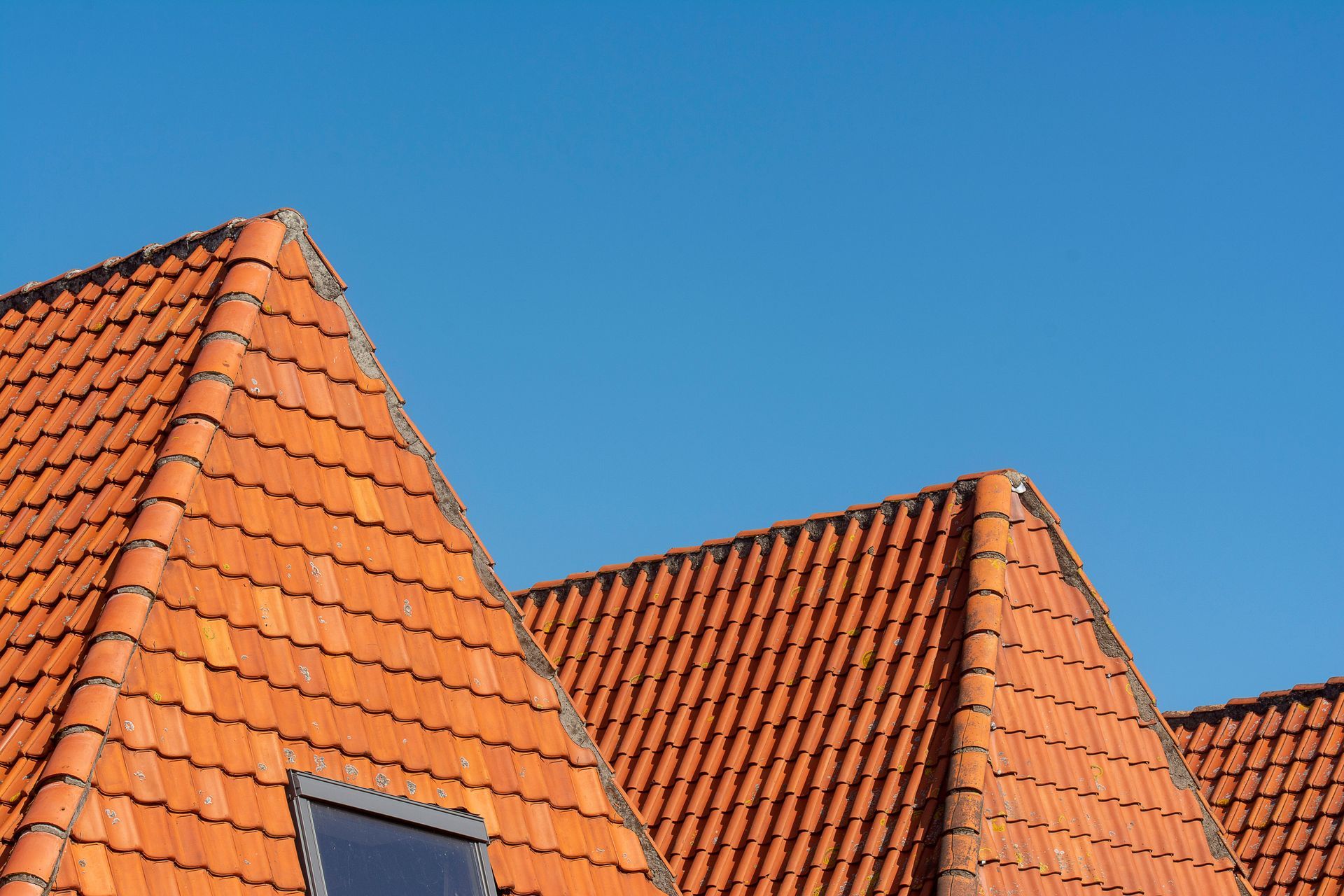
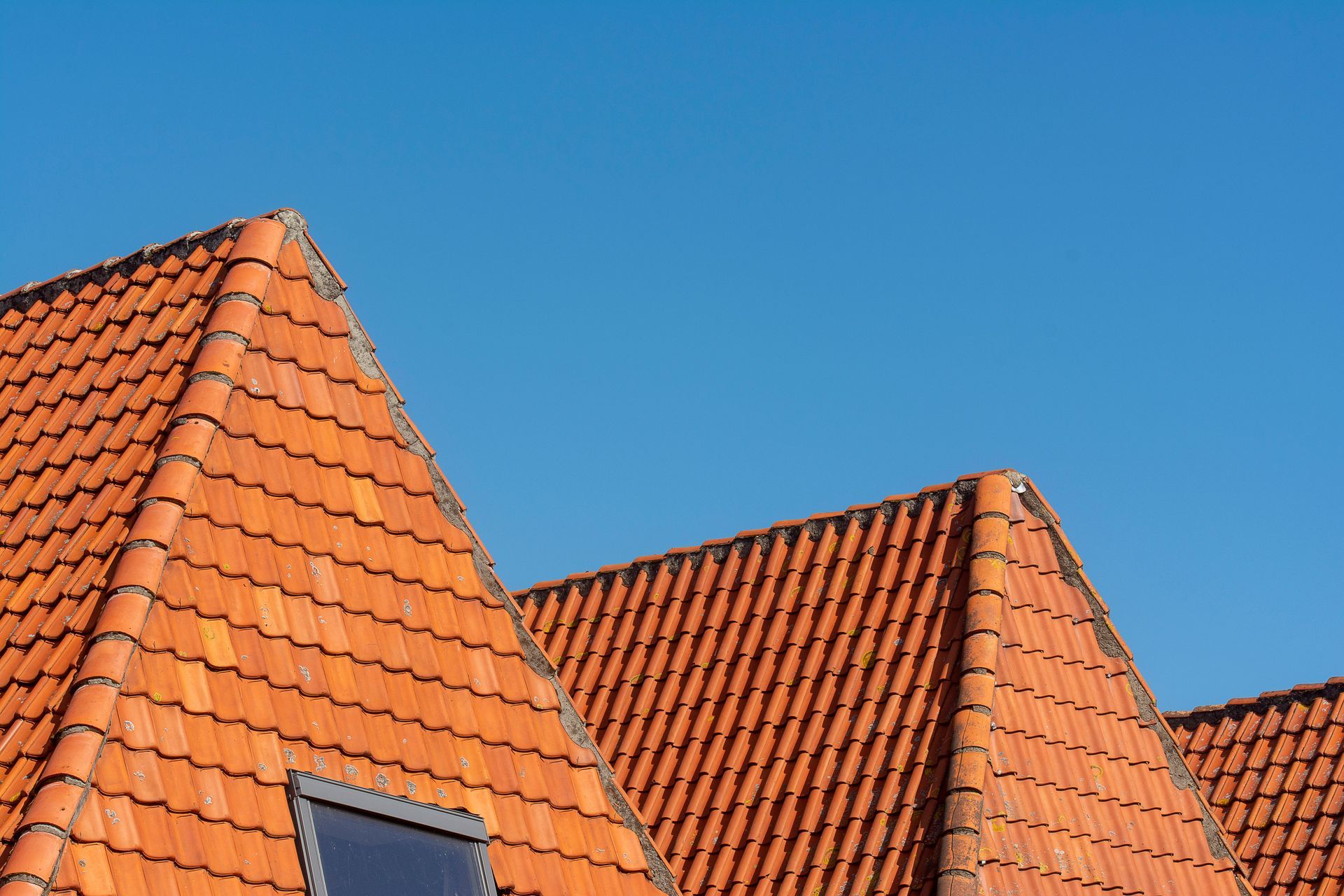
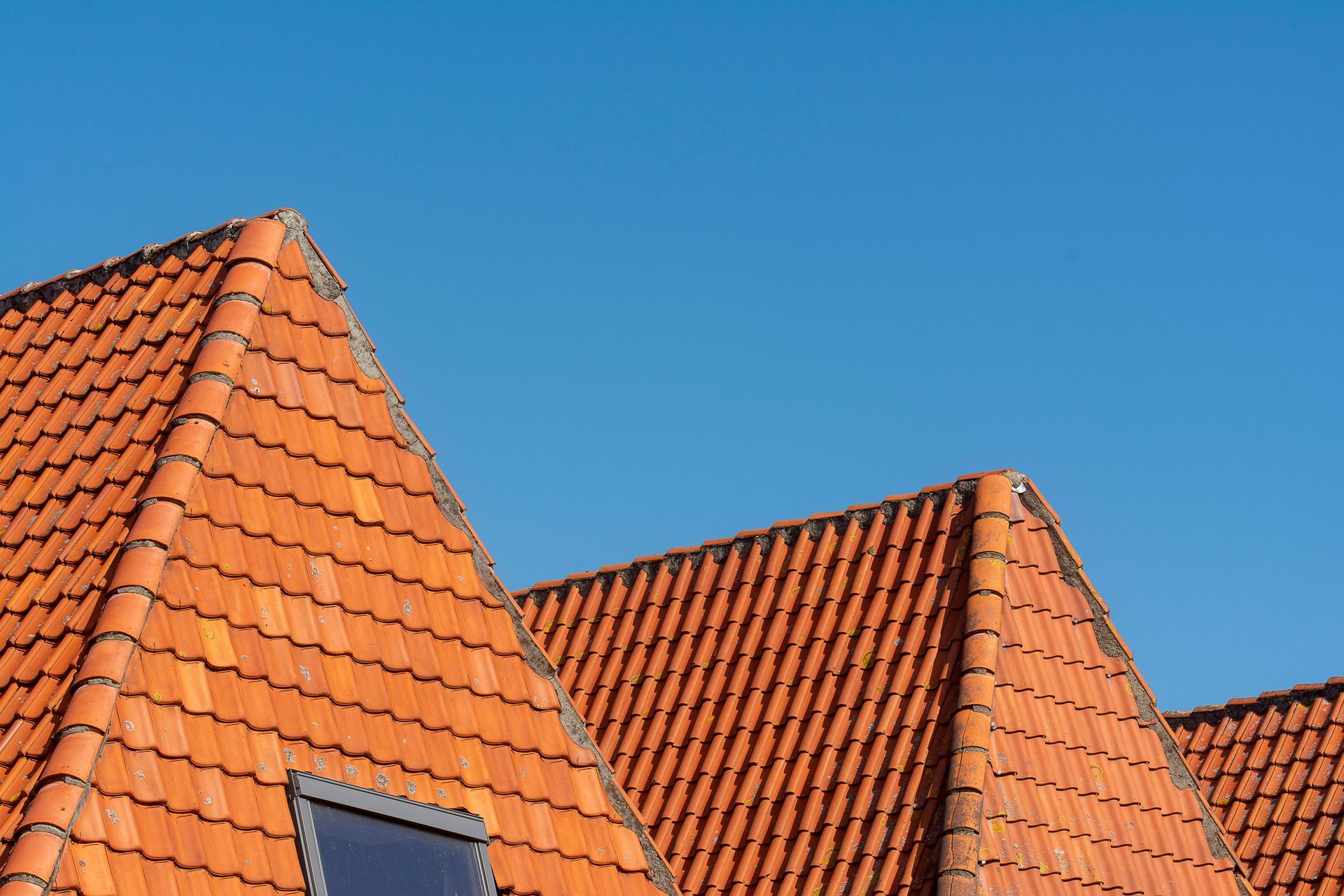
Stand across the road from your house and look up at the roof, and you may spot a mix of colours and textures that were not there when the tiles were new. Green patches, dark streaks running down the slope, and crusty grey-white spots all tend to appear over time. Most people lump them together as dirt, but they are actually three different things.
Knowing what you are looking at is genuinely useful. Moss, algae, and lichen behave differently, cause different sorts of trouble, and each tells you something about your roof and its surroundings. This guide helps you tell them apart on homes around Yeovil, and explains why a soft wash is the sensible answer to all three.
The quick answer: the three common growths on roofs are moss, algae, and lichen. Moss is the thick, spongy green clump that gathers along tile edges. Algae shows up as dark, almost black streaks running down the roof. Lichen is the crusty, grey-white or pale green patch that clings tightly to the surface. All three thrive in our damp climate, and soft washing clears the lot without harming the tiles.
1. Moss, the thick green cushion
Moss is the growth most people notice first, and it is hard to miss. It forms plump, spongy cushions of green that gather along the bottom edges of tiles, in the gaps, and anywhere water tends to sit. On many Yeovil roofs it builds up thickest on the north-facing slopes and in shaded spots where the sun rarely reaches.
What makes moss more than an eyesore is its habit of holding water. Those soft clumps act like sponges, keeping the tiles damp long after the rain has stopped, and moss also pushes into the joints between tiles where it can lift and disturb them over time. Clumps that break loose in the wind frequently end up blocking gutters.
Have you noticed moss creeping further across your roof each year? That steady spread is typical, because once it takes hold it keeps colonising outwards. Left alone, a light scattering can become a thick carpet within a few seasons in this climate.
2. Algae, the dark running streaks
Algae is the culprit behind those unsightly dark streaks that run vertically down so many roofs. Often mistaken for dirt or staining, it is actually a living growth, and the streaking pattern comes from spores washing down the slope with the rain and taking hold as they go. From a distance it can look almost like the roof is weeping.
Unlike moss, algae lies flat against the surface rather than building up in clumps, so it does less direct physical damage. Its main offence is appearance, and it can make an otherwise sound roof look tired, neglected, and years older than it really is. It spreads readily in warm, humid conditions, which our part of Somerset supplies in abundance.
Because algae is so thin and flat, some homeowners try to scrub it off and are frustrated when it returns. The key is treating the growth at its source rather than just wiping the surface, which is exactly what a proper soft wash and biocide are designed to do.
3. Lichen, the stubborn crusty patches
Lichen is the trickiest of the three. It appears as crusty, raised patches, usually pale grey, white, or a muted green, and it grips the tile surface with real tenacity. You will often see it dotted across the more exposed, sunnier parts of a roof, which sets it apart from moss and its love of shade.
The reason lichen is so stubborn is that it fuses tightly to the tile, sending out tiny root-like structures that anchor it in place. Scraping at it can damage the tile surface, which is why it needs a patient, careful approach rather than brute force. It is a slow grower, but once established it is remarkably persistent.
Lichen is actually a sign of clean air, which is a small consolation, but it does nothing for the look of a roof. Clearing it properly calls for the right treatment and a good deal of experience, because getting it off without harming the tiles beneath is a skill in itself.
4. Why all three love the Yeovil climate
There is a reason roofs around here grow such a healthy crop of moss, algae, and lichen. Yeovil sits in a damp, humid pocket of the West Country, with the River Yeo close by and hills that trap moisture in the air. That constant dampness is exactly what these growths need to flourish, so local roofs tend to attract them faster than roofs in drier regions.
The surroundings of individual homes matter too. Properties bordered by the mature trees so common across the area sit in more shade and catch more falling debris, both of which encourage growth. North-facing slopes, which stay damp longest, are almost always the worst affected.
None of this is a reflection on the roof itself. It is simply the reality of owning a home in a green, moist landscape. Understanding that helps you see the growth for what it is, a natural and manageable nuisance rather than a sign of failure.
5. What happens if you leave them to it
Ignoring moss, algae, and lichen does not just leave your roof looking scruffy, though it certainly does that. Over time the moss traps moisture against the tiles and works into the joints, gutters clog with fallen debris, and the roof is kept perpetually damp, which does it no favours through repeated wet winters.
The appearance side is not trivial either. A roof caked in growth drags down the whole look of a property and can knock a surprising amount off the impression a home makes, which matters a great deal if you ever come to sell. Kerb appeal starts at the very top of the house.
The good news is that none of this is inevitable. Dealing with the growth before it becomes deeply established is far easier than tackling a roof that has been left for a decade, and regular attention keeps all three types comfortably in check.
6. How soft washing clears all three
The beauty of soft washing is that it deals with moss, algae, and lichen together, using one gentle method. Low-pressure water lifts the thick moss and loosens debris, while the biocide treats algae and lichen at the root, killing off the growth and the spores that would otherwise bring it straight back.
This matters because a high-pressure blast might shift the surface growth but can damage tiles and does nothing to stop rapid regrowth. Soft washing works with the roof rather than against it, which is why it suits the clay tiles and older stone slates found on homes throughout the town and its villages.
The lasting benefit comes from that biocide treatment. Rather than a quick cosmetic fix, it slows the return of all three growths, so your roof stays clearer for far longer. It is the difference between treating the symptom and treating the cause.
- Moss: thick green spongy clumps along tile edges that trap moisture and block gutters.
- Algae: flat, dark streaks running down the roof, mainly a problem of appearance.
- Lichen: crusty grey-white patches that grip tightly and need careful, patient removal.
- The remedy: soft washing with a biocide clears all three and slows their return.
Frequently Asked Questions
Is moss the most damaging of the three?
In terms of physical harm, yes. Moss holds water against the tiles and pushes into the joints, and loose clumps block gutters. Algae and lichen are less damaging but still spoil the look of a roof.
Why does algae grow in streaks?
The dark streaks form as spores wash down the roof with the rain and take hold along the way. That is why algae so often appears as vertical lines running down the slope rather than in clumps.
Can I just scrape lichen off myself?
It is best not to. Lichen grips tightly and scraping can damage the tile surface. A proper soft wash with a biocide clears it without harming the roof, which is the safer approach.
Does having lichen mean my roof is failing?
Not at all. Lichen is actually a sign of clean air and does not indicate a structural problem. It is unsightly rather than dangerous, and it clears well with the right treatment.
Will these growths come back after cleaning?
Our damp climate means growth does eventually return, but the biocide treatment slows it considerably. A clean every few years keeps moss, algae, and lichen comfortably under control.
Wondering what is really growing on your roof?
Ben's Roof Cleaning brings over 15 years of experience in safe, effective roof cleaning across Yeovil and the surrounding area. Get in touch or call 01935 311960
for a free, no-obligation quote.
Know your growth, protect your roof
Moss, algae, and lichen each look different and cause different problems, but they share one thing in common, a love of our damp Somerset climate. Learning to tell them apart helps you understand what your roof is dealing with, and a careful soft wash clears all three at once while slowing their return, keeping your home looking its best from the rooftop down.